IT and computer networks

Professional LAN and Wi-Fi networks for reliable connectivity

A reliable network infrastructure is the foundation of a modern home, commercial space and intelligent building. Amplituda plans and installs LAN and Wi-Fi networks according to the size of the space, the number of users and the devices that will connect to the network. High-quality cabling and properly positioned wireless access points create a stable basis for computers, mobile devices, audio/video, video surveillance, IP door intercoms and other network systems. The service can include consulting, active network equipment, NAS or other network servers, remote administration and later expansion.

In addition to the data infrastructure, Amplituda also installs cable and antenna systems for distributing TV and radio signals. We design the network as long-term infrastructure for the building, not just as internet access.

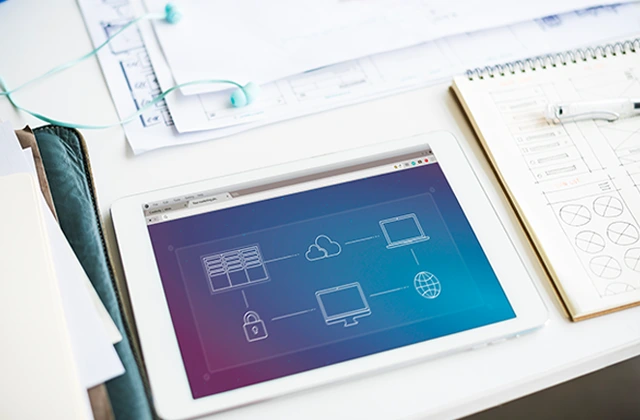
Planning network infrastructure on a tablet alongside project drawings

The network as the foundation of a smart building

In a modern building, it is not only computers and phones that connect to the network. TVs, streaming devices, IP cameras, door intercoms, access points, network servers and various control devices all depend on stable communication. The network should therefore be sized according to the actual number of devices, the expected traffic and the options for future expansion.

High-quality cabling remains the most reliable basis for stationary equipment, while Wi-Fi provides mobility and connectivity where a cable is not practical. When the network is planned together with the other technical systems, the number of later interventions is reduced and the reliability of the whole building increases.
Wi-Fi coverage without improvisation

A single wireless router is rarely the optimal solution for a larger house, villa, hotel or commercial space. Multiple floors, reinforced concrete structures, walls and a large number of simultaneously connected devices can result in weak coverage and unstable connections. That is why access points are positioned according to the floor plan and characteristics of the building, not simply where it is convenient to mount them.

The goal is even coverage and seamless roaming of user devices throughout the space. A well-designed Wi-Fi network must work together with the cabled network, appropriate active equipment and a properly organised network installation.

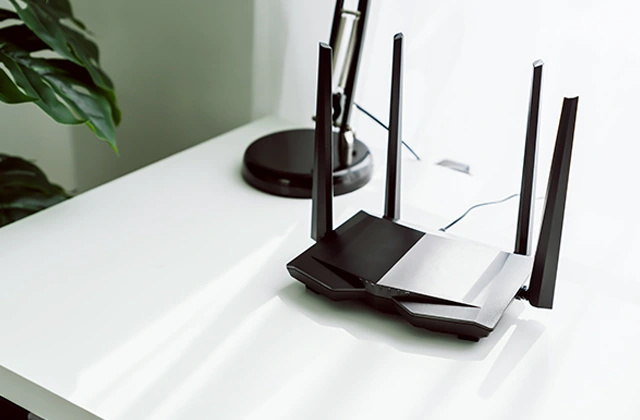
Wi-Fi router for wireless coverage at home
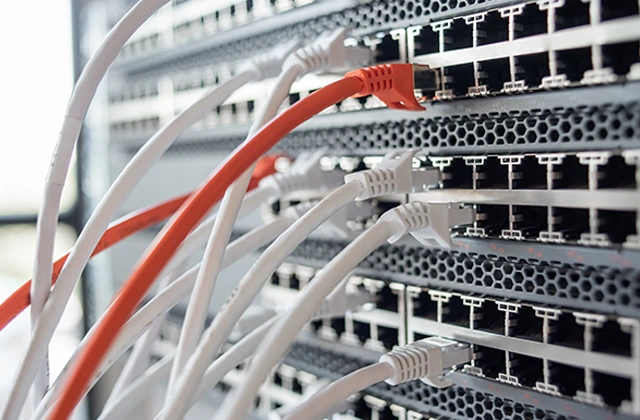
Network rack with patch panel and structured cabling

Active equipment and remote access

Switches and routers are chosen according to the size of the network and the functions the building requires. Network equipment with administration and secure remote access capabilities can make diagnostics and maintenance easier. Media and NAS servers for central storage and content distribution can be included in the network, as can IP door intercoms, video surveillance and other connected equipment.

In more demanding buildings, it is important to plan a sufficient number of connections, the location of the communications cabinet and spare capacity for future expansion in advance, so that the infrastructure can keep pace with technology and users’ needs.

Reliable automation, multimedia and technical security start with a network designed as infrastructure for the whole building. Good Wi-Fi is not just a strong signal: access point placement, a stable cabled backbone and reliable connection of all devices all matter.

Questions and answers

How can I get a good Wi-Fi signal throughout the house?

Wi-Fi is planned according to the floor plan, the construction of the building and the number of devices. In larger spaces, several properly positioned access points are used.

Do we need a cabled LAN if we have good Wi-Fi?

Yes. For TVs, servers, cameras, access points and other stationary equipment, a cabled connection generally provides a more stable and predictable basis.

Can the network be expanded later?

Yes, provided that the cabling, communications cabinet and active equipment were planned from the start with enough spare capacity for additional connections and devices.

Do you also install antenna systems?

Yes. The service can include cable and antenna systems for receiving and distributing terrestrial TV and radio channels.