Bespoke design of KNX and integrated systems

Good automation starts before the equipment is installed

Amplituda designs KNX and related technical systems according to how the space will be used, the planned budget and the architectural requirements. The design phase defines the functions, infrastructure, control concept, required equipment and options for later expansion. Amplituda’s services include electrical design, lighting and audio/video system design, revision or preparation of detailed design documentation, and support for other designers in integrating intelligent systems.

Early coordination with architects, interior designers and other disciplines reduces the risk of later changes. The goal is a technically feasible solution that meets the users’ real needs, not just a list of devices.

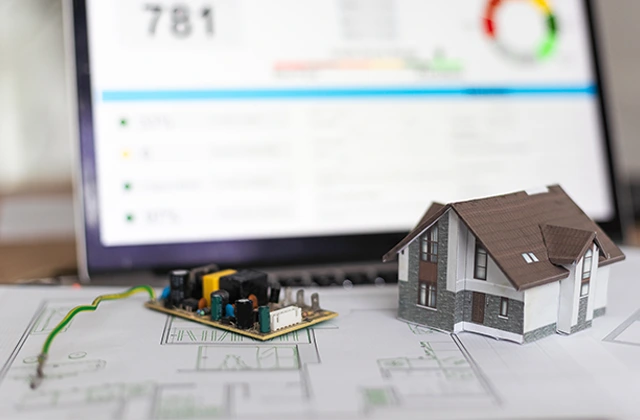
Smart home design – house model, electronics and a tablet with visualisation

The project starts with how the space is used

The first step is not choosing a switch or an app, but understanding the space and the users’ habits. It is necessary to define what is expected from the lighting, shading, heating and cooling, multimedia, technical security, irrigation or pool technology, and how these will be controlled in everyday situations. On that basis, the level of automation can be determined and it can be assessed where integration brings real benefits.

This approach helps to align wishes with the planned investment and to make use of existing equipment or installations where technically justified, instead of making the system unnecessarily complicated.

Infrastructure without later compromises

Different technologies have different requirements for wiring, power supply, communication and equipment placement. That is why it is important to define cable routes, distribution cabinets, network connections and the positions of sensors, switches, speakers, cameras and other elements before installation begins.

For lighting, for example, the choice of control method can affect the installation; for A/V systems, signal cables, the network and service access are important. Well-designed infrastructure reduces the need for later building work and allows a tidier installation. At the same time, it leaves room for future expansion, which is one of the key advantages of a well-planned KNX system.

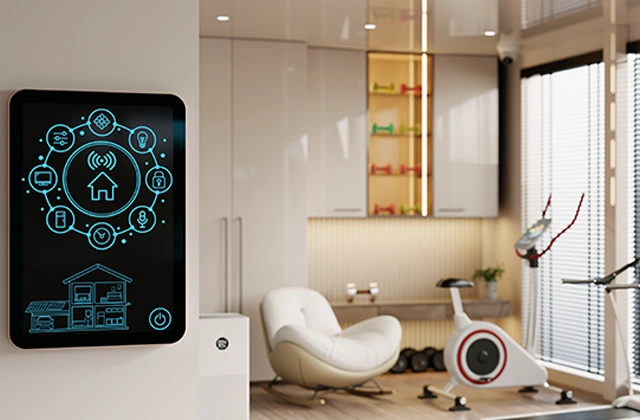
Wall-mounted KNX thermostat in a modern interior
Planning a KNX installation on a tablet with floor plans and a house model

Coordinating different systems

A smart building consists of several disciplines that overlap. Lighting works together with shading, heating and cooling depend on how the space is used, the network is needed for A/V and IP devices, and technical security can be part of shared scenarios. Design must therefore cover more than individual installations.

Amplituda coordinates the integration requirements and defines how devices from different manufacturers will exchange information and how the user will control them. This reduces the risk of each contractor delivering a technically correct but disconnected system that later requires additional adjustments.

Documentation and room for upgrades

Detailed design documentation is important during installation, programming, commissioning and later maintenance. It should clearly show the planned functions, the installation and the key elements of the system so that the solution can be reliably installed and serviced. Amplituda prepares or revises detailed design documentation and supports designers in integrating intelligent systems.

We also aim to anticipate the future needs of the building: additional functions, rooms or devices are easier to add when cable reserves, topology and system capacity have been planned in advance. Such planning reduces the cost of later changes and extends the useful value of the investment.

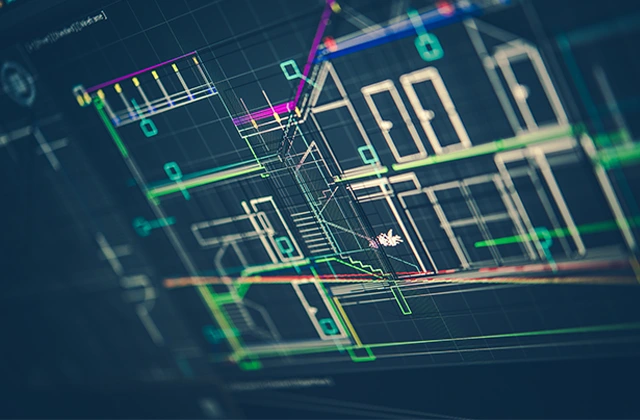
Digital building blueprint – KNX installation documentation

The most expensive changes in a smart building are often not in the programming, but in infrastructure that could not be changed later without building work. A good design does not just define what the system does today; it leaves a clear path for what the user will need tomorrow.