Pool automation

Pool technology monitoring

Pool technology can be connected to the automation system so that the user can control selected pool functions and monitor their status in one place. Pool lighting, the motorised cover and the available pool technology statuses can be included in the shared control. Depending on the capabilities of the installed equipment, integration can be extended to water heating, circulation, filtration or other available information and commands. KNX serves as a common link between the pool technology and the rest of the building, but it does not replace the specialised pool control system.

Pool functions can be included in the visualisation and linked with outdoor lighting or other exterior scenes. The aim is to reduce the number of separate controllers and give the user a clear overview of what matters to them in everyday use.

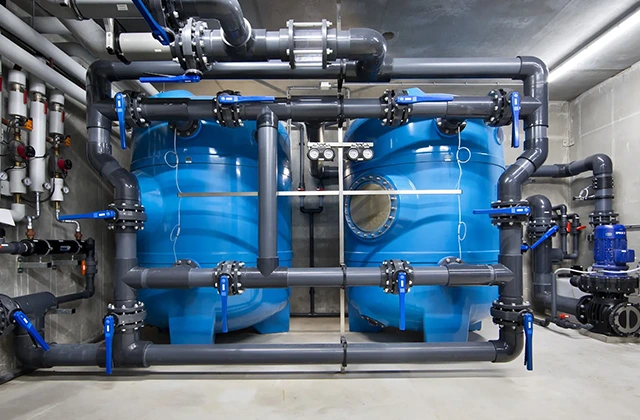
Pool plant room with filters and pumps for automation

Pool technology at a glance

A pool plant room often has its own controllers and information that the user does not need to monitor constantly. Through integration, only the relevant statuses and commands can be passed to the building’s central visualisation. The user can then check the available system status or control selected functions without going to the technical equipment.

The scope of integration depends on the pool system and its communication capabilities, so it is defined during the design phase. KNX does not take over the role of specialised water quality control or the protective functions of the pool equipment; it enables the exchange of available data and simpler user control. This preserves the expert logic of the pool technology while making the user layer clearer.
Lighting, heating and pool cover

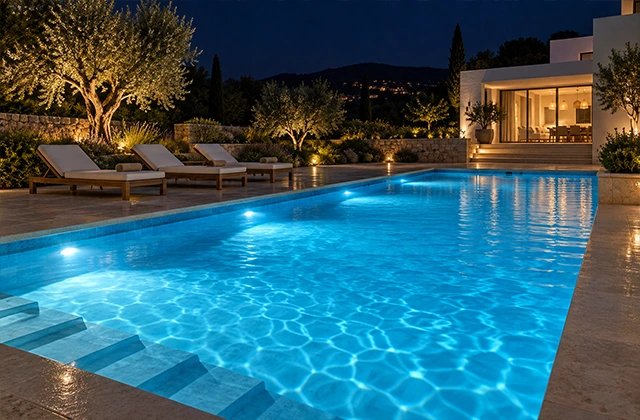
Pool lighting can be included in evening scenes together with terrace and garden lighting. The motorised cover, where the system and safety conditions allow, can be made available through the shared control, while the status or set values of the water heating can be displayed according to the equipment’s available interfaces.

Circulation and filtration can also be included in the integration when the pool control system offers suitable interfaces, with the scope of functions defined according to the specific equipment. The advantage is not that every technical function is transferred to the screen, but that the user gets control of the actions they use regularly and the information that helps them understand the current state of the pool.

Evening pool and terrace lighting as part of a scene
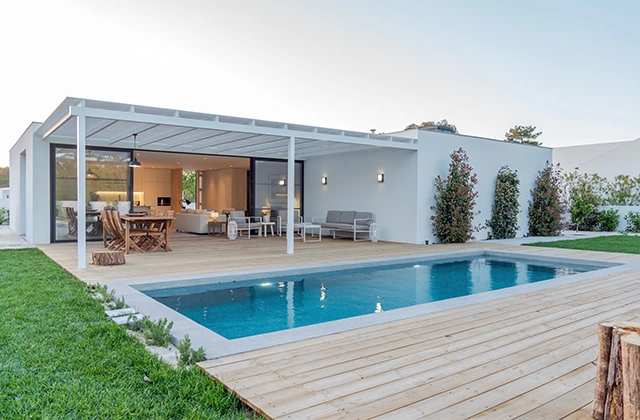
Pool beside a modern house with a pergola

Monitoring, statuses and linked scenes

When the pool technology provides suitable outputs, the system can display selected statuses or send a notification about a condition that needs attention. Such monitoring can be useful in houses, villas, hotels or buildings that are not in constant use, because important information becomes available from a shared interface.

Pool functions can also be linked with other exterior scenes: an evening scene can switch on the pool and landscape lighting and the terrace audio zone, while an away mode can change how the available functions are controlled. Integration does not replace regular servicing of the pool equipment, but it makes everyday monitoring and coordination with the rest of the building easier.